Label AI content before the law makes you.
C2PA content credentials and invisible watermarking for images, video, audio and text your systems produce.
One call with a senior engineer. A straight answer on what it would take.
Where you are. Where you’ll be.
You need this if
- You generate images, video or text with AI at scale
- Your brand or executives have been deepfaked
- You publish into the EU market
What changes for your business
- EU AI Act transparency obligations met
- Your genuine content distinguishable from fakes
- A verifiable history for every asset you publish
What we hand over
- C2PA content credentials in creation and generation pipelines
- Invisible watermarking for images, audio and video
- Provenance verification tooling and public checker
- Labeling policy for AI-generated and edited content
What it is
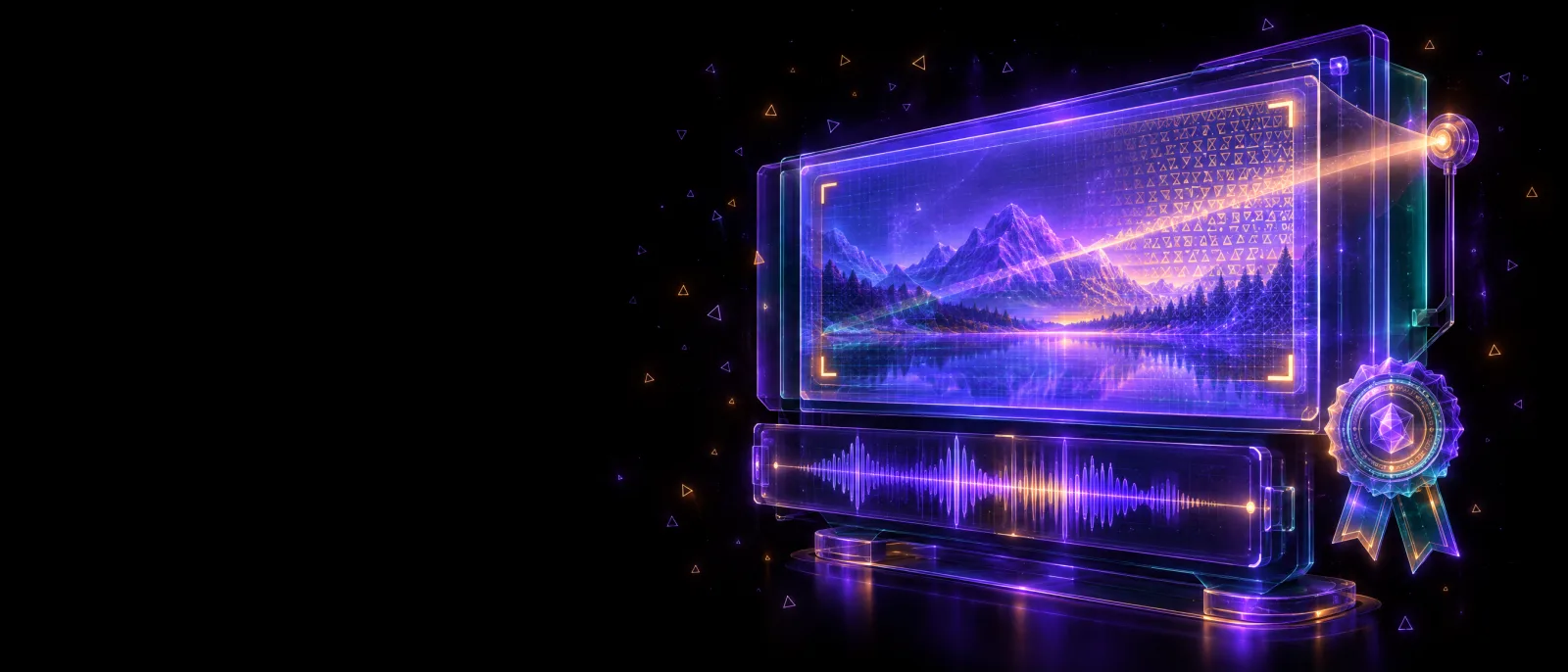
Content provenance is verifiable information about where a piece of content came from and how it was made or edited, including whether AI generated it. It is carried as signed metadata, such as C2PA content credentials, and as watermarks embedded in the content. The EU AI Act now requires AI output to be marked.
The EU AI Act now requires generative AI outputs to be marked in a machine-readable way, and deepfakes to be visibly labeled. Beyond compliance, your brand needs a way to prove which content is genuinely yours. We implement C2PA content credentials in your creative and generation pipelines, add robust watermarking where metadata could be stripped, and set up verification so partners and the public can check authenticity.
- Why now
- 30% of breaches now involve a third party, double the year before. Verizon Data Breach Investigations Report, 2025 (opens in a new tab)
- Last reviewed
How it runs
- 01
Diagnose
Typically 2–4 weeksWe map the problem, your data and your systems, and agree the one number that defines success.
- 02
Prove
Typically 4–8 weeksA working pilot on your real data, measured against that number. Not a slide demo.
- 03
Ship
Scoped to the outcomeProduction build with security, monitoring, cost controls and documentation included, not upsold.
- 04
Run
Ongoing, optionalWe operate what we built against clear service levels, or train your team to. Your call. No lock-in.
Questions you’ll ask
- What does the EU AI Act require for AI-generated content?
- Under Article 50, providers of generative AI systems must mark outputs in a machine-readable, detectable way, and deployers must disclose deepfakes. These transparency obligations apply from 2 August 2026, with a transition for some systems already on the market.
- What is C2PA?
- An open standard for content credentials: signed metadata recording who created a piece of content, with which tools, and what was changed. Major camera makers, creative software and platforms support it, so credentials travel with the file.
- What if metadata gets stripped?
- That's why we pair content credentials with durable watermarks embedded in the content itself, which survive common edits and re-uploads. Verification checks both.
Sound familiar? Let’s fix it.
One call with a senior engineer. You’ll leave with a straight answer on what it would take.
Let's Build Together