Controls that run themselves, and prove it.
IT risk assessments and automated controls for access, change, data and third parties.
One call with a senior engineer. A straight answer on what it would take.
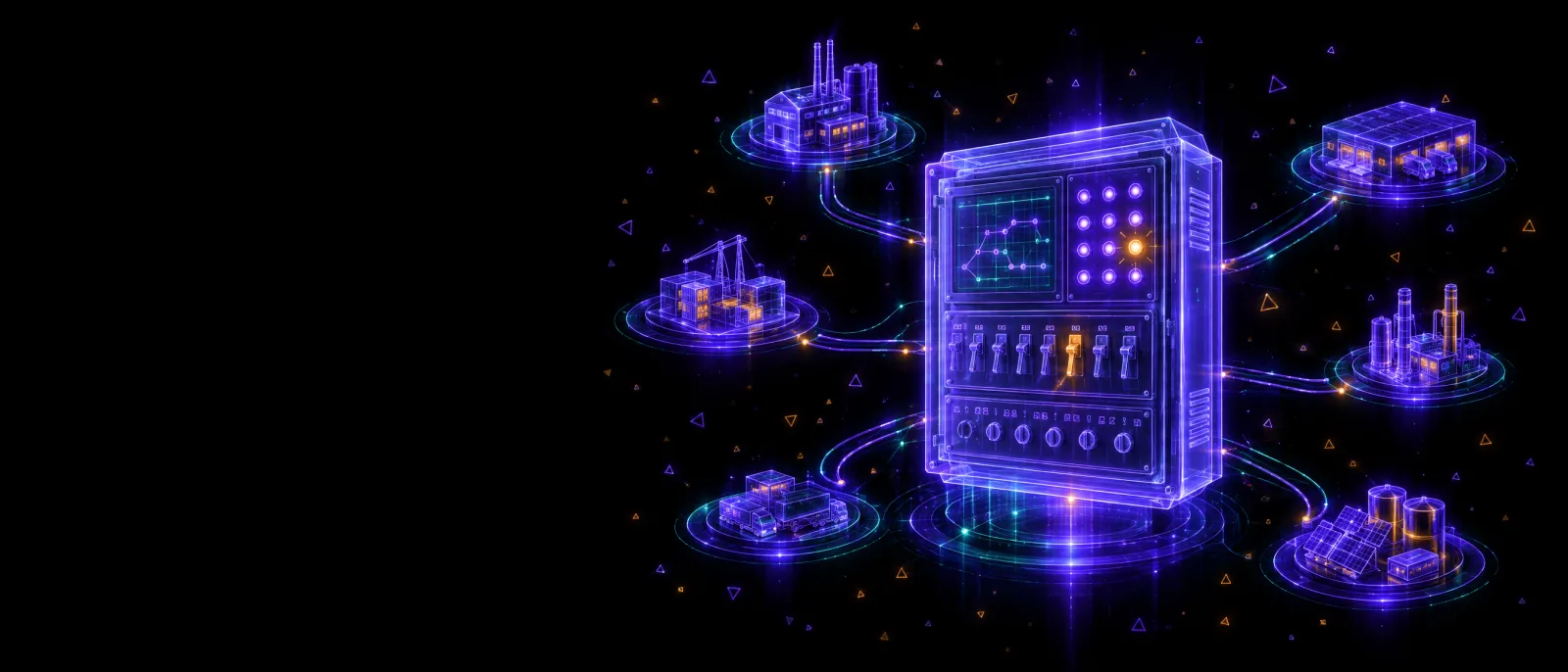
Where you are. Where you’ll be.
You need this if
- Controls are tested by sampling once a year
- Supplier risk relies on questionnaires
- Audit findings repeat year after year
What changes for your business
- Control failures detected in real time
- Less manual testing effort
- Third-party risk monitored continuously
What we hand over
- IT risk assessment and register
- Automated control monitoring
- Third-party risk management program
- Risk reporting for management and board
What it is
IT risk management identifies threats to an organization's technology, covering access, change, data and suppliers, and IT controls are the checks that keep those risks in bounds. Controls that run automatically and continuously catch problems when they happen, instead of at the next annual audit.
Manual controls fail quietly. We assess IT risk across access, change management, data protection and suppliers, then automate controls and monitoring so exceptions surface immediately. Third-party risk gets the same treatment, with continuous monitoring instead of annual questionnaires.
- Why now
- 48% of GRC professionals struggle to keep pace with updates to compliance frameworks. Drata, State of GRC 2025
- Last reviewed
How it runs
- 01
Diagnose
Typically 2–4 weeksWe map the problem, your data and your systems, and agree the one number that defines success.
- 02
Prove
Typically 4–8 weeksA working pilot on your real data, measured against that number. Not a slide demo.
- 03
Ship
Scoped to the outcomeProduction build with security, monitoring, cost controls and documentation included, not upsold.
- 04
Run
Ongoing, optionalWe operate what we built against clear service levels, or train your team to. Your call. No lock-in.
Questions you’ll ask
- Why automate controls?
- Manual controls fail quietly and are tested by sampling once a year. Automated controls run continuously, flag exceptions as they happen and produce their own evidence, so audit findings stop repeating.
- How does continuous third-party monitoring work?
- By tracking suppliers' security posture, incidents, certifications and financial signals continuously, alongside contract terms, instead of relying on a questionnaire answered once a year.
- Why do the same audit findings come back every year?
- Usually because fixes address the symptom, not the process that creates it. We trace each repeat finding to its root cause and automate the control so it holds.
Sound familiar? Let’s fix it.
One call with a senior engineer. You’ll leave with a straight answer on what it would take.
Let's Build Together